

Art of Ascension
Experiences that heal the nervous system, honor the body, and help you live more fully.
Somatic & Creative Arts Therapy
Welcome to Art of Ascension, a space for people who are ready to gently shift the patterns underneath longstanding struggles. Here, we use creative arts, nervous-system support, and evidence-based trauma therapies to help your body and mind get on the same page so you can move through life with more steadiness, clarity, and choice.
Dena Ewing
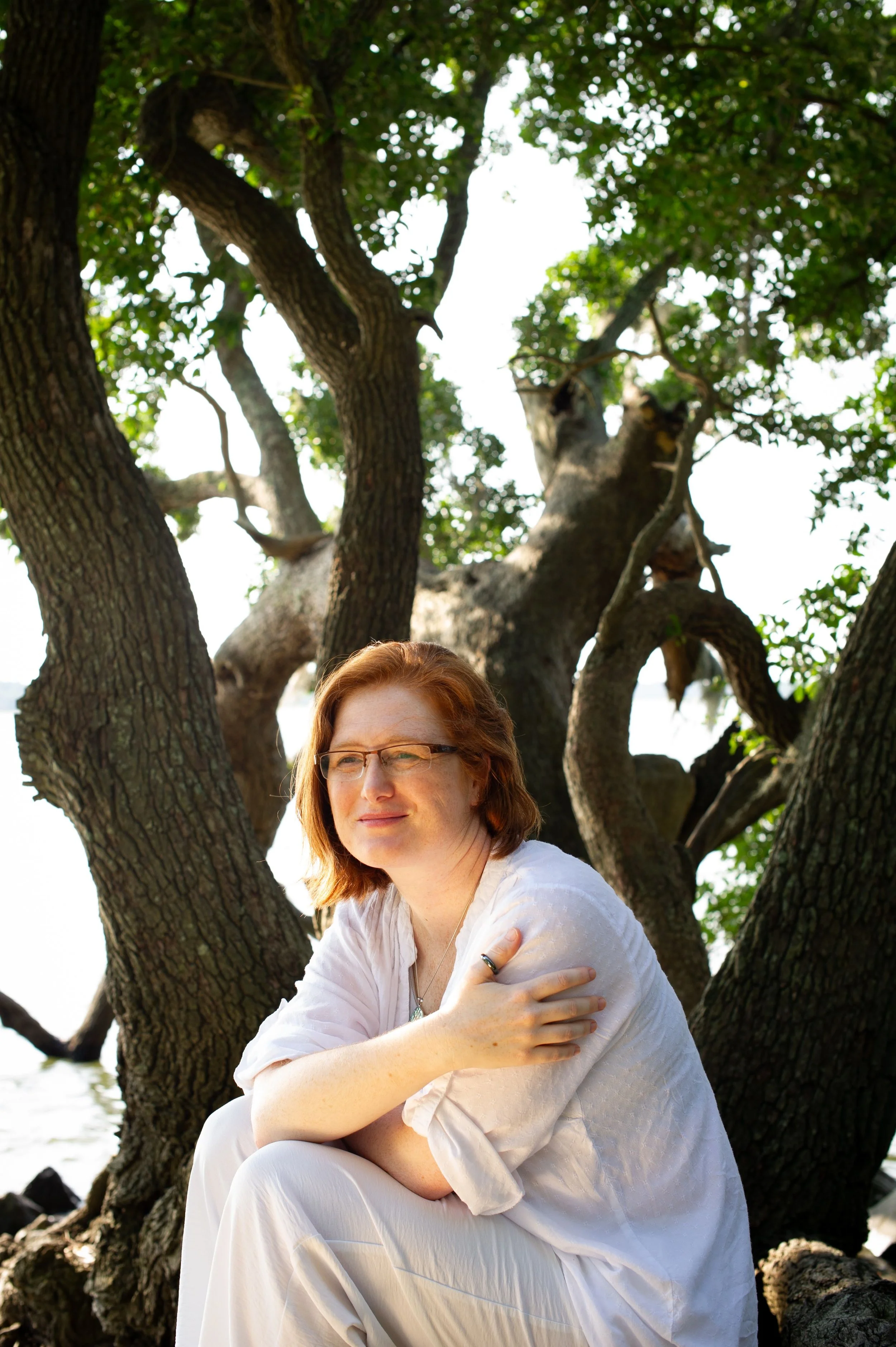
LPC, ATR-BC
I’m a Licensed Professional Counselor and Board-Certified Art Therapist based in Charleston, South Carolina, specializing in trauma, chronic stress, and the somatic impact of living in survival mode for too long.
Every person who walks through my door brings a unique set of experiences, strengths, and ways of processing the world. I believe therapy should reflect that individuality. Each session is intentionally shaped around you—guided by curiosity rather than prescription, attuned to what your mind and body are saying in the moment. I integrate creative arts therapy, EMDR, and somatic practices to meet clients exactly where they are, helping them build safety in the body while connecting insight to action in daily life.
My approach is informed by both professional training and lived experience. My early connection to art as a mode of discovery and healing continues to be central to my work today. With an extensive background that includes a B.A. in Art and Psychology from Florida Gulf Coast University, a Master’s in Creative Arts in Therapy from Drexel University, and trainings in EMDR and Somatic Experiencing, I bring a grounded, integrative lens to therapy sessions. Based now in Charleston, I work primarily with adults navigating the intersections of anxiety, trauma, and health struggles—offering an environment where growth unfolds at a sustainable, embodied pace.
Is This for you?
Are you navigating chronic stress, health struggles or difficult life transitions?
Do you feel “high-functioning” on the outside but anxious, exhausted, or disconnected on the inside?
Have you tried talk therapy and understand a lot intellectually, but your body and daily life still feel stuck?
Are you curious about art, EMDR, or somatic work—even if you’re unsure or nervous to begin?
how i work
Every person has a different story, body, and capacity on any given day. Instead of forcing you to fit into a particular mental health model, we co-create interventions—choosing from creative arts therapy, EMDR, Somatic Experiencing, mindfulness, and practical skills depending on what your system can hold.
My role is to help you stabilize your symptoms so you can feel safe enough to explore, find strength to be yourself, and experience what support looks like for your future.
Treatment Phases
Therapy with me usually moves through three overlapping phases: stabilization (building tools and safety), processing (gently working with deeper material), and reintegration (living from a more authentic, resourced place) where you can develop more meaningful and satisfying relationships with yourself and others.
You set the pace and we can adjust as we go because what is life if we can’t practice being adaptable.
Phase 1 - stabilization
The first phase is establishing as much safety as possible and a secure base from which to work. This means addressing any problematic issues that could get in the way or make it much harder to function in your day to day life. For many people, this is where therapy begins and ends. Usually managing symptoms can feel like a stretch so the idea of going beyond that seems unrealistic.
We know we’ve succeeded with the first phase when we’ve gotten a good grip on your symptoms. Meaning when they come up (i.e. ruminating on past events at night; getting overwhelmed by a co-worker or family member) you can make the needed adjustments quickly and are able to get your day back on track without it taking up too much time or energy.
Once we have that in place and you are ready to take the next step, then we go to phase two.

Phase 2 - Processing
Phase two is where the approaches discussed above, come into play. During this phase sessions focus on the present moment and we are actively exploring the root causes of symptoms. Sessions can be as highly structured or as flexible and loose as is needed. EMDR provides clear and concise assessments, protocol and treatment planning. Art therapy can also provide highly structured tasks and media to explore emotions, narratives and impulses. Somatic Experiencing can provide the safety and familiarity of a conversation with questions and exercises designed to offer opportunities for novel and supportive experiences that help bridge the gap between what the body knows and what the mind believes to be true.
During this phase I often use the metaphor of cleaning a house. Phase one is like making sure the house is in good working order so that people can live and function well. Phase two is the equivalent to cleaning out the basement. It’s not easy to clean it all at once, especially if you live in the house. So what we do in phase two is take one bag or box up from the basement at a time and decide what to do with it. The beautiful part is that the more we practice this, the easier it gets and the more you know how to do this on your own.

Phase 3 - Reintegration
Phase three can often happen as a natural outcome of the work done in the first two phases and looks like a person who has a) developed a range of skills to support their every day functioning and b) processed enough past life situations enough that they have freed up energy to begin living a life more in alignment with their true selves. Reintegration often looks like making choices and developing relationships with others that reflect your values and feeling confident in your ability to trust yourself and others.
Often times people are not fully aware they are in this phase. It can look like spontaneously attending a social event when the prospect of it three months earlier terrified you. It can also look like finally having the energy and time to write or paint or spend quality time with your loved ones without arguing. It can look like finally having capacity to take in the beautiful scenery around you rather than being stuck in your own head every day.
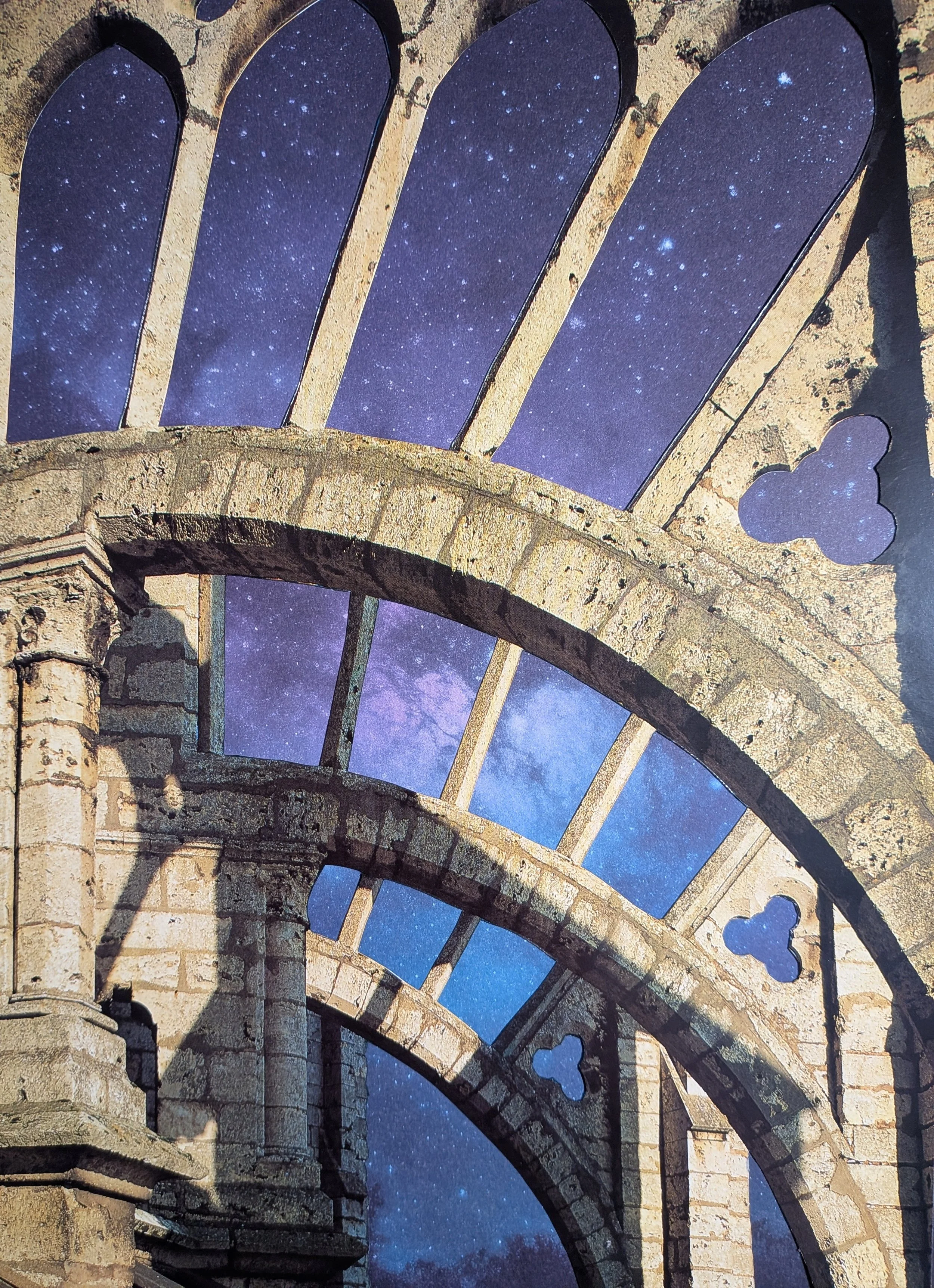
This is why I named my practice
Art of Ascension
There is a method and an art to feeling free and living the life you want regardless of past events.
If you talk with the people around you that you admire and are living the kind of life you want, you might hear some similar themes.
They may have gone to therapy. They may have gone to a supportive retreat to reconnect to themselves.
They may have had spiritual experiences.
They may have taken medicines or medications that expanded their awareness in some way.
Pay close attention to their answers. One of the common threads you’ll find is that these individuals had experiences that supported their growth and perspective shifts.